War: Reflections and Anticipation
Editorial
For the past three years, churches and believers across the Middle East and North Africa (MENA) have faced a constant state of war and tension.
Here in Lebanon, fighting has devastated the country and exacerbated long term political and economic crises. Nearly 9,000 people have been killed in the fighting between Hezbollah and Israel, while hundreds of thousands of others remain displaced, unable to return to homes and villages that have been destroyed or occupied.
Across the border in Syria, the country’s bloody civil war is over, but post-war sectarian violence continues to plague the country, killing thousands of people and displacing tens of thousands more.
In the Gulf, drone and missile strikes threaten cities and critical infrastructure. Scores of people have been killed in attacks targeting airports, military bases, and residential areas.
Further south, Sudan continues to endure a devastating civil war that has killed hundreds of thousands of people and displaced millions more across the country and region.
Churches and believers find themselves caught in — and in some cases targeted by — this violence. In July 2025, an Islamist group carried out a suicide bombing at a MERATH partner church in Damascus, killing more than 20 people. Last week, Islamic extremists in Jordan attacked a church in Jordan, killing nine people. Fighting has damaged and destroyed churches in Lebanon and Sudan. Across all of these countries, believers have been killed in the crossfire of battles and massacres.
Such bloodshed has left its mark on the Church, testing our faith, leaving many with questions. Has the Lord closed the door of heaven to our prayers? How do we find Jesus amid the rubble?
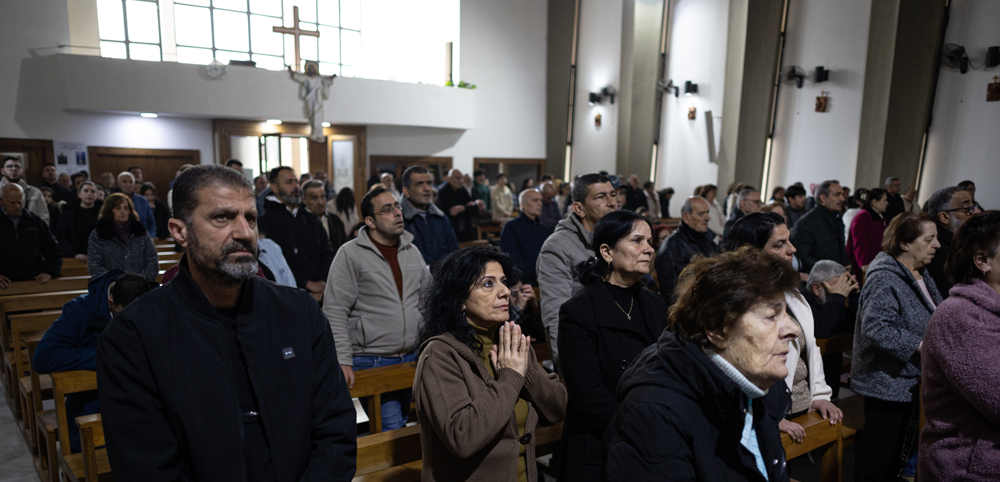
Such questions were asked by participants in this year’s Middle East Consultation (MEC) at Arab Baptist Theological Seminary (ABTS). An essay by ABTS Assistant Professor of Peace Studies Bassem Melki and ABTS Peacemaking and Non-Formal Training Coordinator Reem El Khoury about the conference is part of a wider collection of articles and videos we published this month examining the wars of the past three years and what they mean for the Church in the MENA. We hope you find them encouraging, insightful, and thought provoking.
Yet even as we explore such questions and topics, war and the threat of war remain present. Tensions are high in Lebanon and across the region as media reports suggest that a new round of fighting between the US, Israel, and Iran may soon erupt. Such fighting could easily spillover across the region, much as it did when the US-Israel war against Iran first broke out in late February.
While we continue to pray for peace, Thimar-LSESD and our church partners in Lebanon and the MENA region remain prepared to respond once again to the humanitarian crises of any future conflict. We thank you for your prayers and support throughout these three years. Together, let us continue to faithfully fulfill the work God has called us to do.
The Good Samaritan and the Role of the Church in Wartime Lebanon
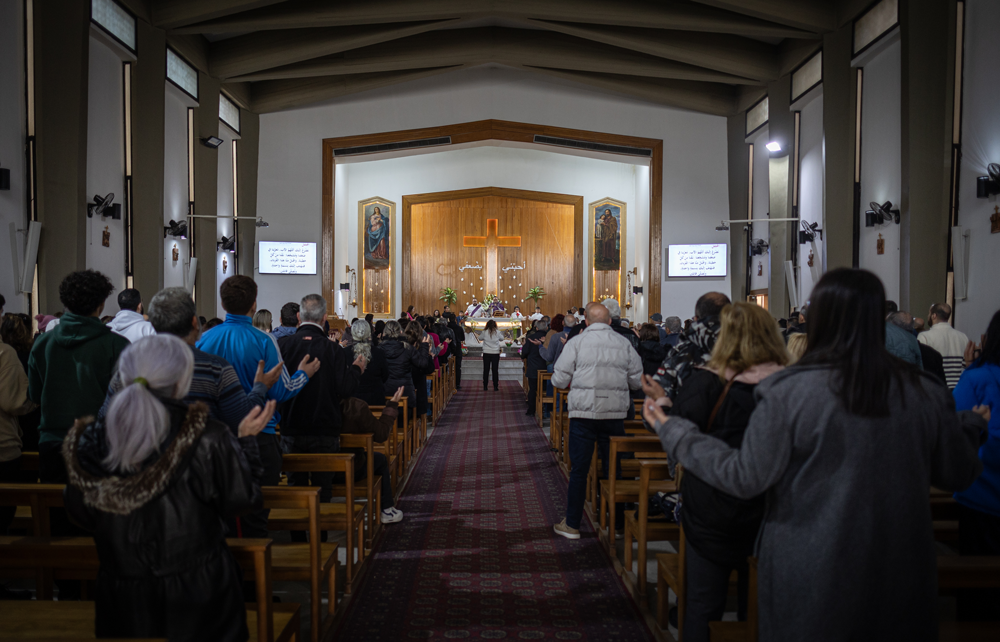
Three years ago this month, Lebanon found itself in the throes of another war. Unlike previous wars, the one that began on October 7, 2023, with the Hamas-led attack on Israel has arguably been the most challenging conflict Lebanon has faced since the end of a 15-year civil-war in 1990. It is a war that has further crippled our already troubled nation, a war that has tested the Lebanese Church and what it means for us to live out our faith in times of war.
Theology Under Fire: What MEC 2026 Heard from the Churches of the MENA Region
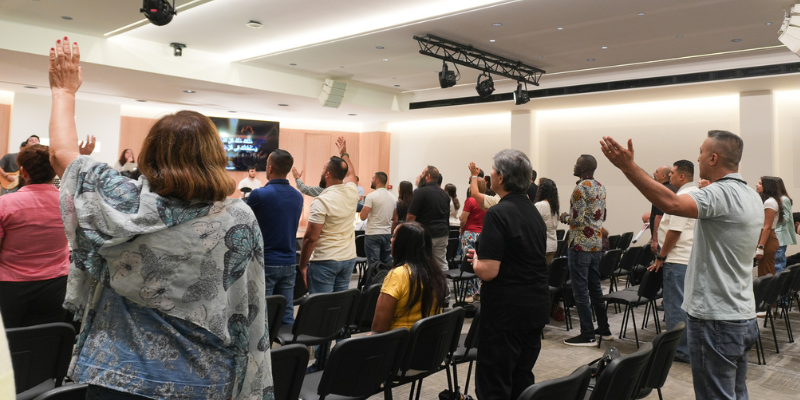
Lebanon isn’t the only Middle Eastern country effected by war. It seems the whole region is under fire. War impacts generations. War also enters the imagination of faith. It changes how people picture God, understand Christian identity, and impacts how the Church responds. These realities shaped this year's MEC, which brought together theologians, church leaders, practitioners, and witnesses from communities marked by war to answer three important questions: What happens to our image of God in war? What happens to Christian identity? What happens to the identity and witness of the Church? And lastly, where do we go from here?
The Church’s Role in the Face of the World’s Tragedies
“What woman wants to give birth in the street? What woman would accept having her child here?” With these words, a displaced young woman in her twenties, in the final weeks of pregnancy, expressed her deep fear of an unknown future. Since the beginning of the latest war, she has lived in a tent barely fit to sit in, yet it shelters her and her unborn child. Her story is no exception. It reflects a reality repeated across our Arab world. Faced with such tragedies, we as followers of Christ in a broken world cannot avoid the hardest question: What is the church’s role in the face of the world’s tragedies? What is our role toward this young woman and her unborn child?
Lebanon War Response - Looking Back and Ahead
Team members from Thimar’s relief and development ministry, Middle East Revive and Thrive (MERATH), recently met with church partners who responded to the needs caused by war this year in Lebanon. In a round table setting, MERATH church partners discussed how they served effected people, providing the opportunity to share feedback on what worked well, the challenges they faced, and the needs that remain.